Start with the places where the car must fit
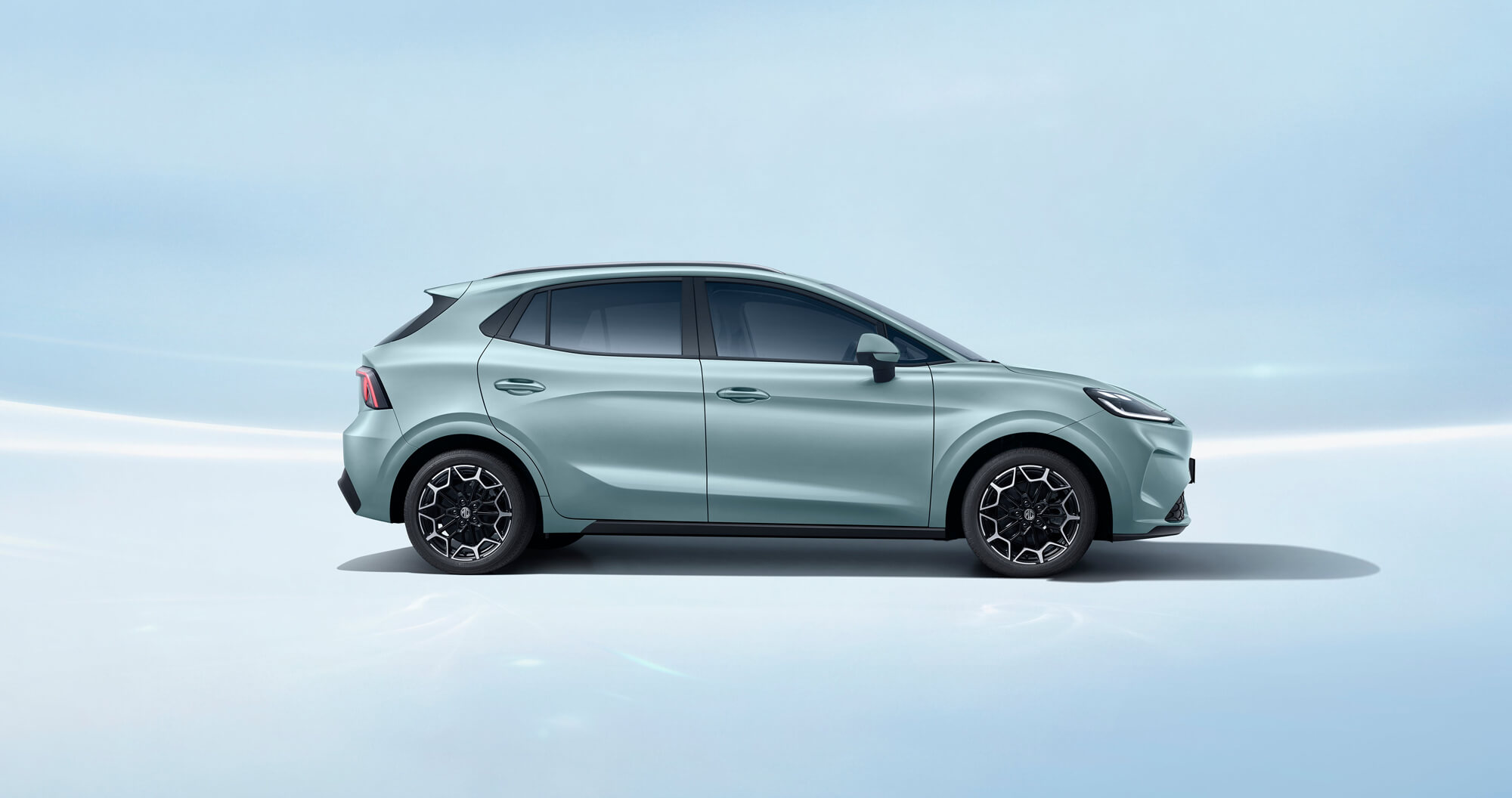
Measure the garage or parking bay and consider narrow streets, shopping-centre ramps and visibility. The MG4 EV Urban is 4,395 mm long, 1,842 mm wide and 1,549 mm high, with a 2,750 mm wheelbase.[2]
- Parking visibility and turning needs
- Rear-seat room behind the normal driving position
- Child-seat access where relevant
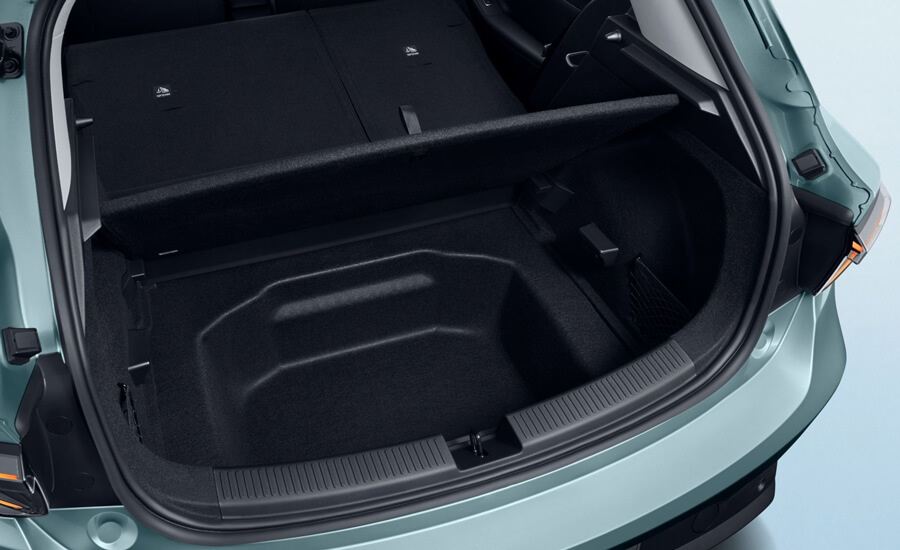
- Boot opening, floor height and cable storage
Match battery choice to the weekly routine
The Essence 43 and Essence 54 have WLTP ranges of 316 km and 405 km respectively. The longer-range version may suit regional travel or less predictable charging, while the smaller battery can be sufficient for regular local trips with convenient charging.[2]
| Specification | Essence 43 | Essence 54 |
|---|---|---|
| Battery | 43 kWh LFP | 54 kWh LFP |
| WLTP range | 316 km | 405 km |
| Peak DC charging | 82 kW | 87 kW |
| 10–80% DC charging at 25°C | 28 minutes | 30 minutes |
| Rear storage, seats up | 382 L | 382 L |
| Rear storage, seats folded | 1,266 L | 1,266 L |
| Underfloor storage | 98 L | 98 L |
Compare energy use and charging around the commute
Estimate weekly energy by multiplying the expected commuting distance by the vehicle’s official combined energy use, then allow for charging losses and the mix of home, workplace and public charging. Official WLTP combined energy use is 16.5 kWh/100 km for MG4 EV Urban Essence 43 and 16.1 kWh/100 km for Essence 54.
These figures provide a consistent comparison rather than a guaranteed electricity bill. Traffic, speed, temperature, driving style, charging losses and the applicable tariff can change real-world energy use and cost.[2][6]
Plan public charging when home charging is limited
Check the charger locations used during a normal week, the plug type, charging speed, availability, price and whether an AC site requires a cable. Keep an alternative location for essential trips. A larger battery can reduce charging frequency, but it does not replace a workable charging routine.[6][7]
Use one checklist for every alternative
Compare each compact EV using the same checklist: current drive-away quote, exterior size, rear-seat fit, usable boot space, official range, AC and DC charging, safety rating, warranty and test-drive experience. This keeps the decision focused on everyday suitability.
What to confirm before buying
WLTP figures are standardised laboratory results for comparison. Real-world range varies with speed, weather, terrain, load, tyres and climate-control use.
Peak charging power is not maintained for an entire session. The vehicle, charger, battery temperature and state of charge all affect charging time.
Questions buyers also ask
Is the MG4 EV Urban a hatchback?
Yes. The MG4 EV Urban is a compact electric hatchback.
How much rear storage does it have?
It has 382 L behind the rear seats, plus 98 L of underfloor storage.
Which version suits longer regular trips?
Essence 54 has the longer WLTP range at 405 km, although charging access and price still matter.
What should I test in city traffic?
Low-speed ride, visibility, parking, regeneration settings, rear-seat access and the charging-port location.
Can a small EV work without home charging?
It can when reliable workplace, destination or public charging fits the weekly routine. Check availability, plug compatibility, charging speed, price and a backup location before buying.
Sources & references
Official model information, terms and Australian EV guidance used in this guide.