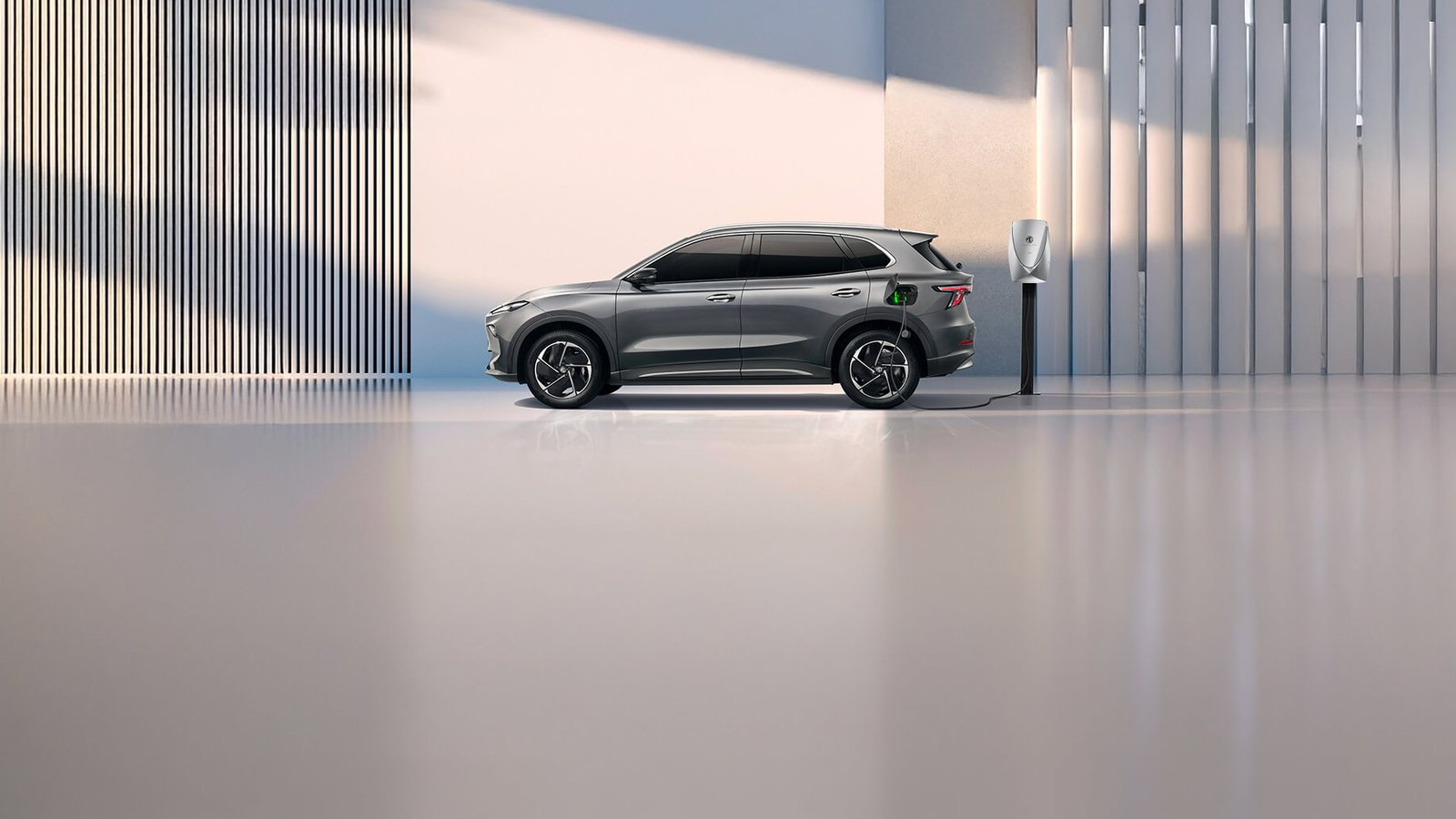
The four parts to understand
The battery stores electrical energy. An inverter and other power electronics manage the flow of electricity. The motor converts electrical energy into motion. A charge port connects the car to AC or DC charging equipment.[1][2]
| Battery | Stores energy; capacity is usually shown in kWh |
|---|---|
| Power electronics | Control and convert electricity for the motor and battery |
| Electric motor | Turns electrical energy into movement |
| Charge port | Connects the car to compatible charging equipment |
What happens when you press the accelerator
The vehicle asks the battery for power and the motor responds without waiting for engine revs or a conventional gear change. That is why electric cars can feel smooth and immediate at low speed. The exact response depends on the selected drive mode and vehicle calibration.[1][2]
What regenerative braking does
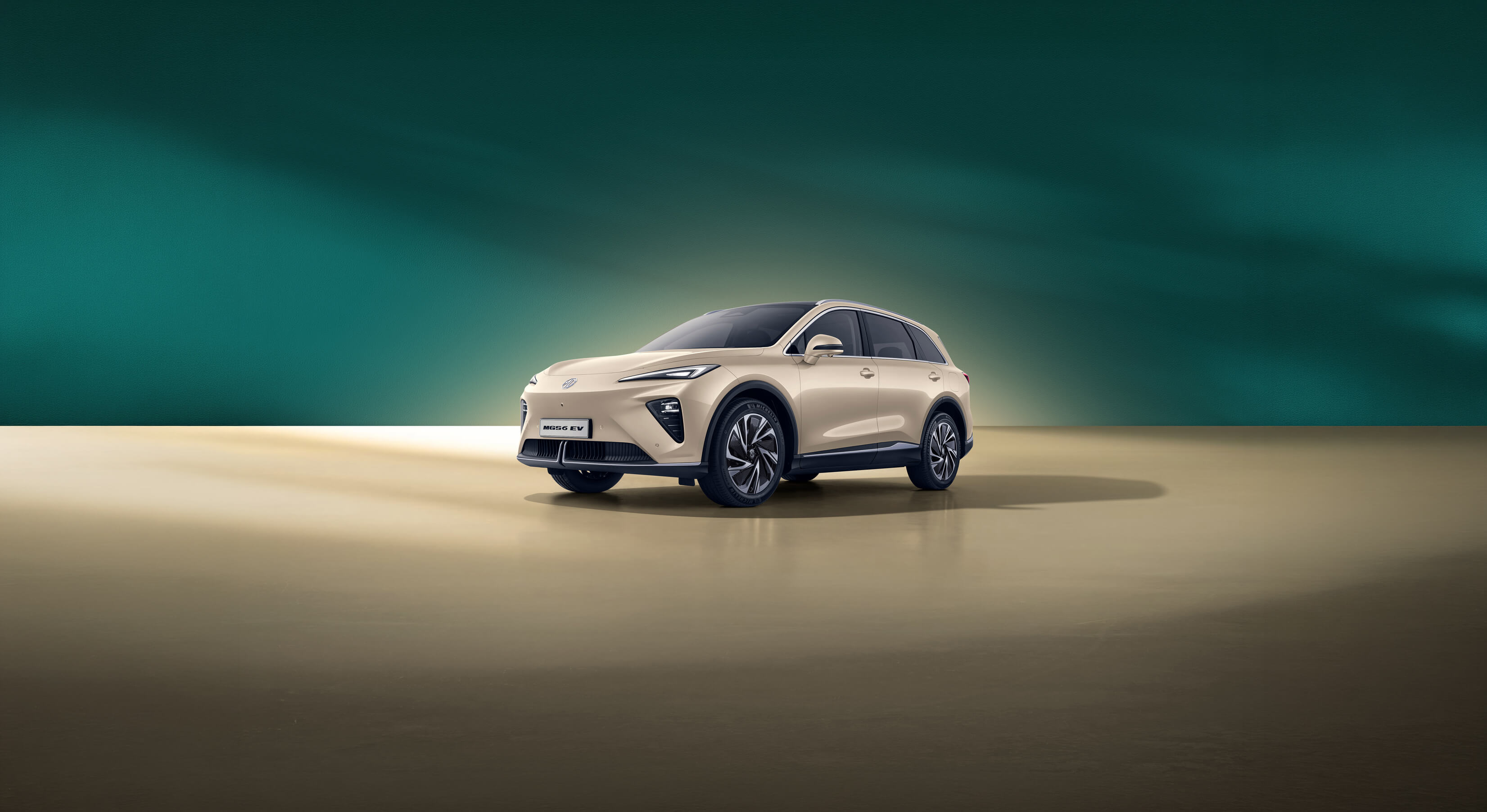
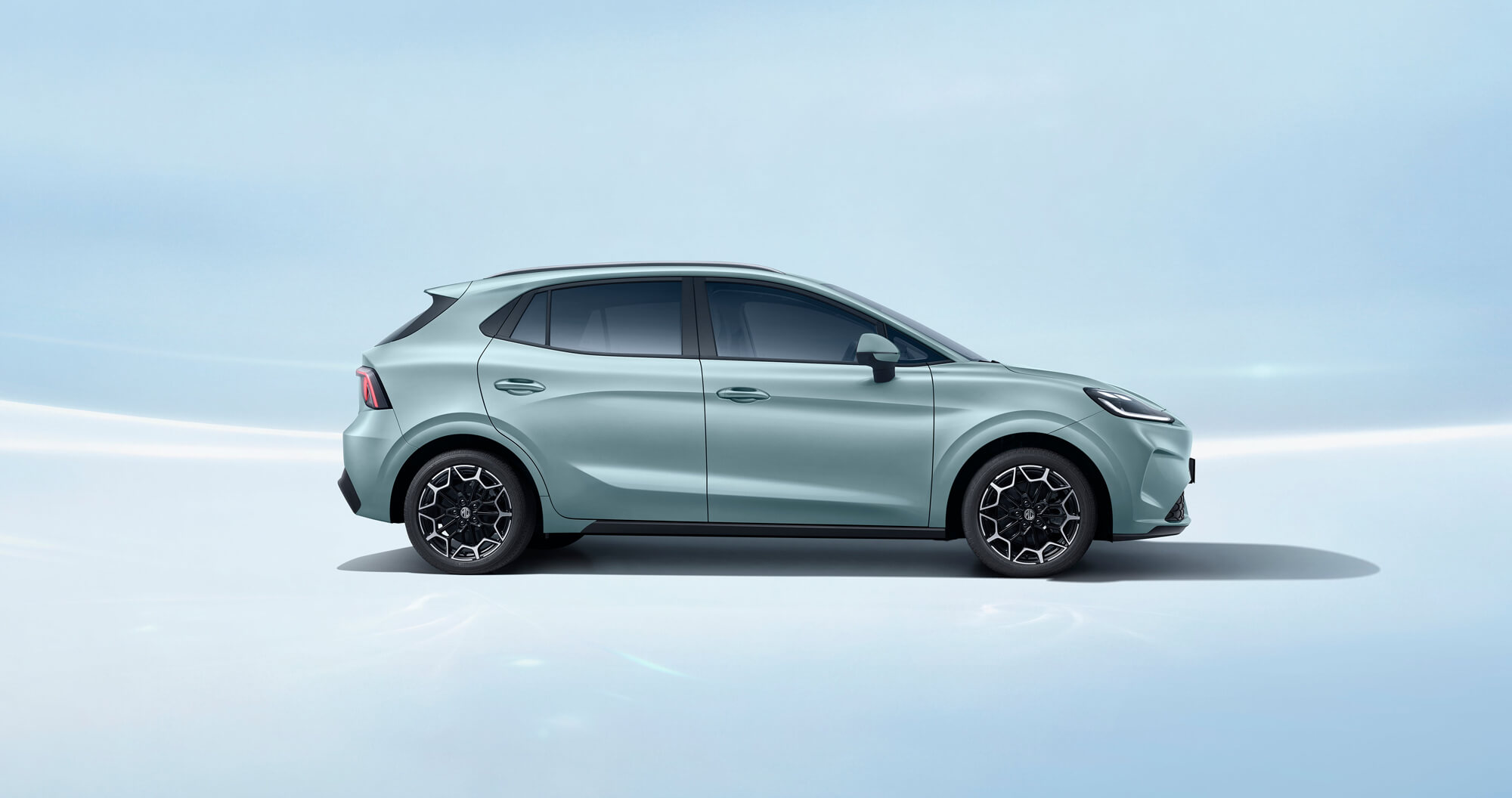
When the driver lifts off the accelerator or brakes, the motor can act as a generator and recover some of the car’s movement as electrical energy. It cannot recover every unit of energy used, and conventional friction brakes remain essential. The MG4 EV Urban offers one-pedal mode plus multiple regeneration settings; the MGS6 EV also provides selectable regeneration and one-pedal operation.[1][3][4]
What to confirm before buying
High-voltage components must only be inspected or repaired by appropriately trained technicians.
Charging, range and battery guidance is general. Follow the vehicle owner’s manual and the charger manufacturer’s safety instructions for the exact vehicle and equipment.
Published range and charging figures are comparison references. Weather, speed, terrain, load, battery temperature, charger capability and state of charge can change real-world results.
Questions buyers also ask
Does an electric car have an engine?
A battery-electric vehicle uses an electric motor instead of a petrol or diesel combustion engine.
Does an EV have a normal gearbox?
Most battery-electric cars use a much simpler single-speed reduction gear rather than a conventional multi-speed transmission.
Does regenerative braking fully recharge the battery?
No. It recovers some energy during deceleration, but the vehicle still needs external charging.
Do EVs still have conventional brakes?
Yes. Regenerative braking works alongside friction brakes, which still require inspection and maintenance.
Sources & references
Official model information, terms and Australian EV guidance used in this guide.