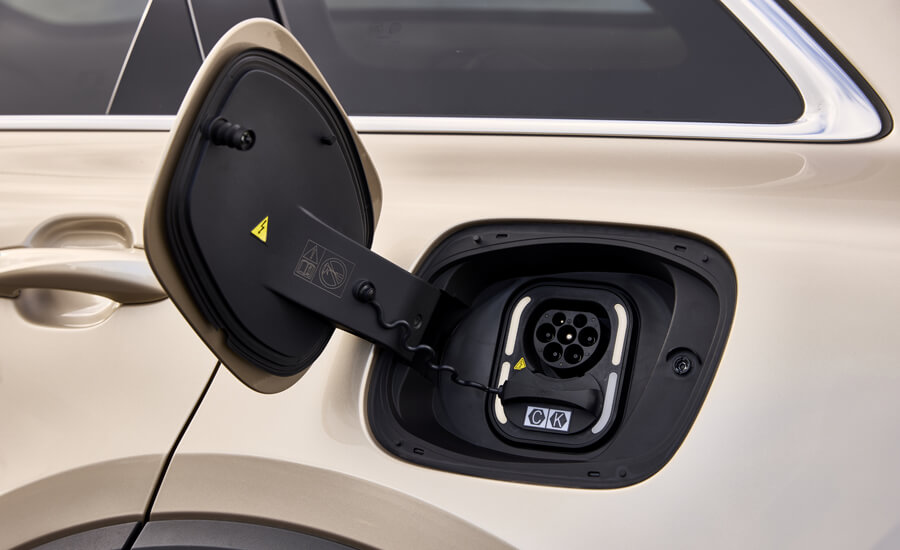
AC charging suits longer stops
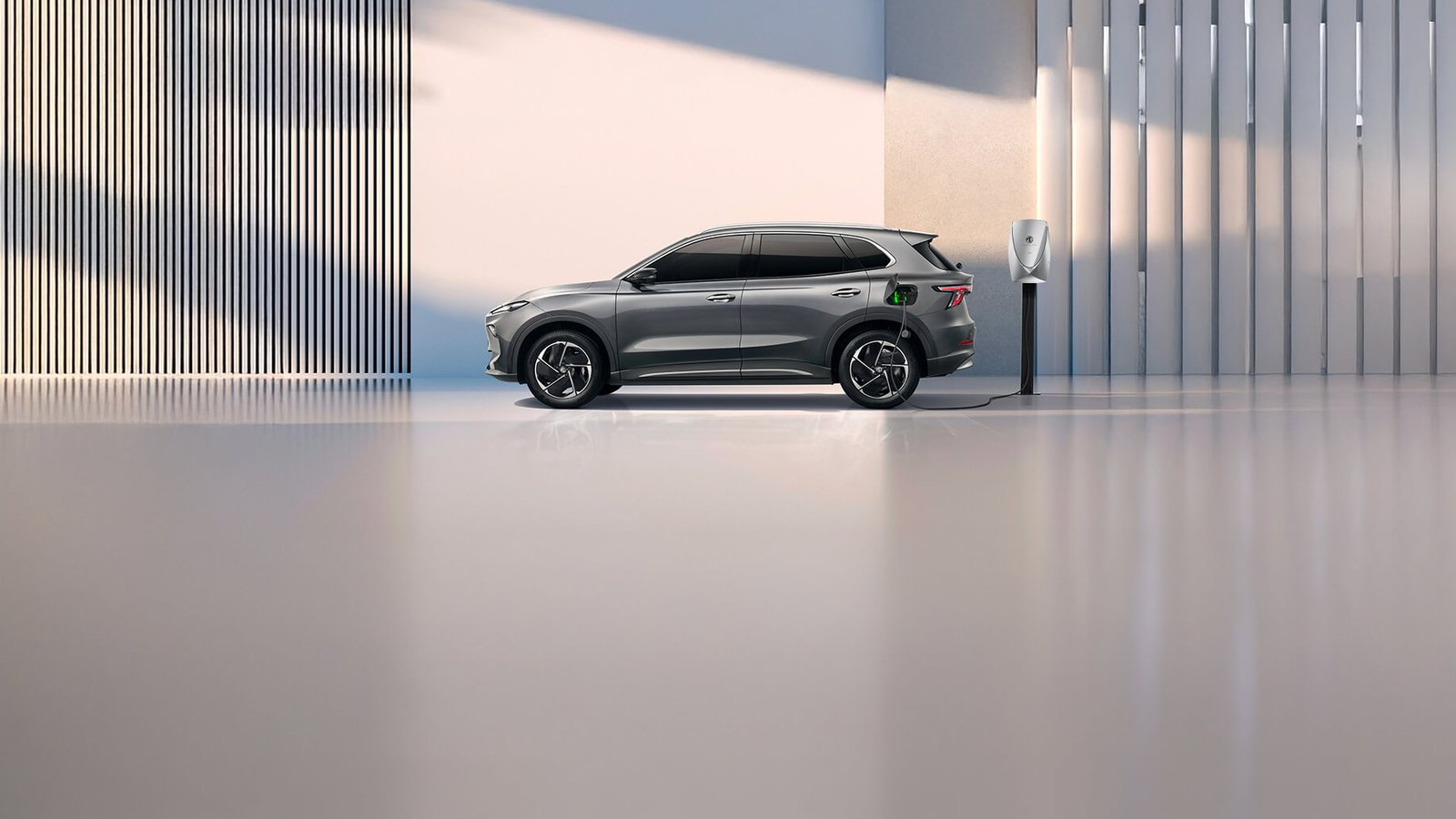
Australian Government definitions describe Level 1 charging as roughly 2.3–6.9 kW and Level 2 charging as 7–22 kW. AC charging is commonly used at homes, workplaces and destinations because the vehicle may remain parked for hours. A dedicated home charger must be installed by a licensed electrician.[1][3][6]
DC charging supports shorter travel stops
DC charging bypasses the vehicle’s onboard AC conversion and supplies direct current to the battery. Government definitions place Level 3 DC charging from 24 kW, with 50–99 kW described as fast and 100 kW or more as ultra-fast. The label on a charger is its maximum capability, not a promise that every vehicle will receive that rate.[1][3]
The vehicle still sets a limit
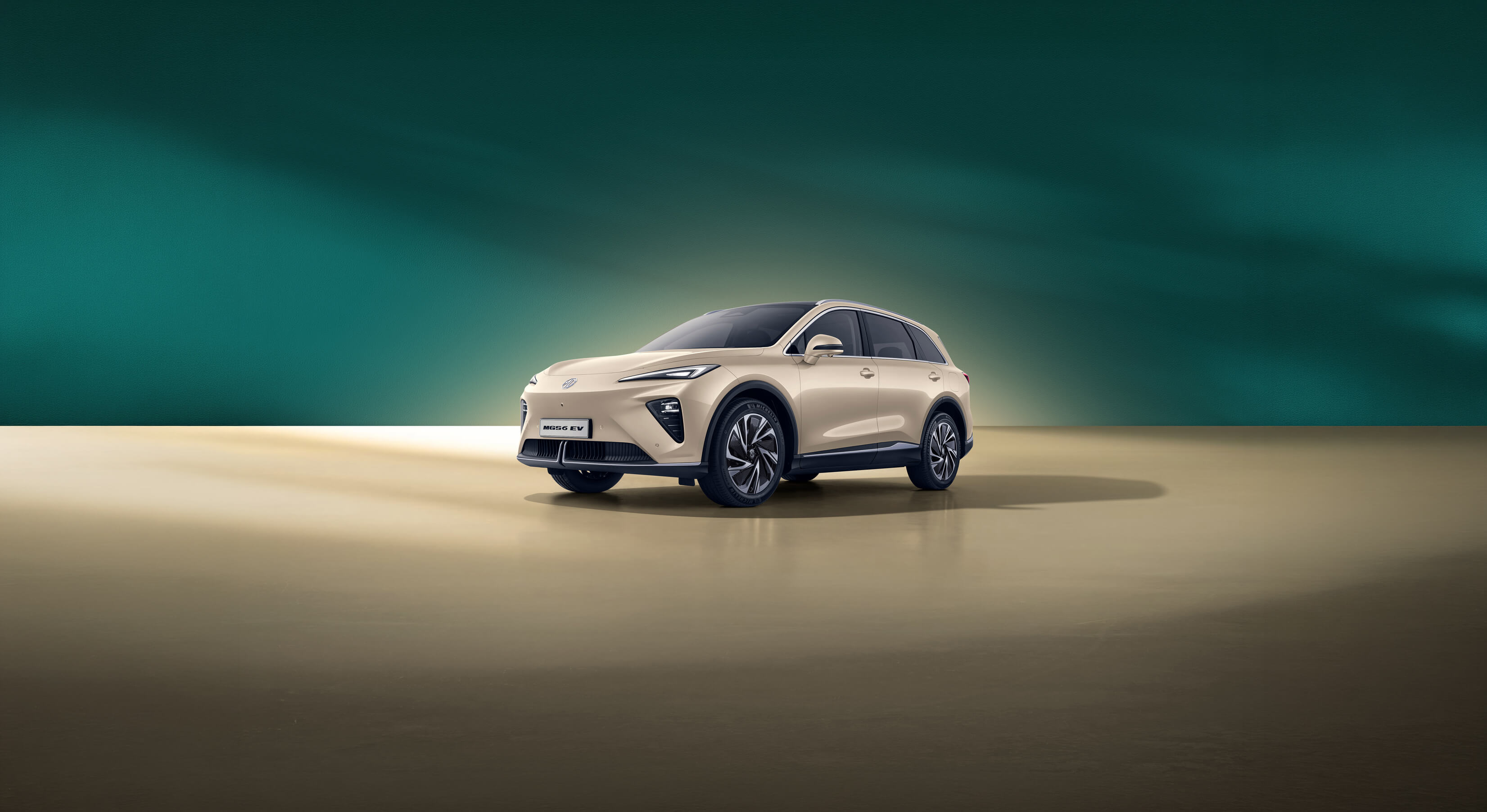
MG4 EV Urban has a 6.6 kW onboard AC charger, with 82 kW or 87 kW maximum DC charging depending on version. MGS6 EV has an 11 kW onboard AC charger and 144 kW maximum DC charging. Connector compatibility, battery temperature and state of charge also matter.[4][5]
| MG4 EV Urban | Type 2 AC; CCS DC; 6.6 kW onboard AC; up to 82/87 kW DC |
|---|---|
| MGS6 EV | Type 2 AC; CCS DC; 11 kW onboard AC; up to 144 kW DC |
What to confirm before buying
Charging, range and battery guidance is general. Follow the vehicle owner’s manual and the charger manufacturer’s safety instructions for the exact vehicle and equipment.
Published range and charging figures are comparison references. Weather, speed, terrain, load, battery temperature, charger capability and state of charge can change real-world results.
Questions buyers also ask
Is DC charging always faster than AC charging?
It is generally faster, but the achieved rate depends on both the charger and the vehicle.
Can a 350 kW charger make every EV charge at 350 kW?
No. The vehicle accepts power only up to its own limit, and the rate normally changes during the session.
What plug types are common in Australia?
Type 2 is common for AC charging and CCS2 is the standard plug for DC fast charging on most new Australian EVs.
Should I use DC fast charging every day?
Use the charging method that fits the trip and follow the manufacturer’s battery guidance. Routine slower charging can be more convenient and less expensive.
Sources & references
Official model information, terms and Australian EV guidance used in this guide.