Calculate the energy you need, not a full battery every time
If a 54 kWh battery moves from 30% to 80%, the theoretical energy added is about 27 kWh. A 6.6 kW AC supply would need more than four hours before allowing for charging losses. Real sessions vary, so use the calculation as a planning estimate.[1][2][3]
DC charging figures use a defined window
Manufacturers commonly quote a 10–80% or 20–80% DC time because charging normally slows as the battery becomes fuller. Official 10–80% charging times are 28 minutes for MG4 EV Urban Essence 43, 30 minutes for Essence 54 and 38 minutes for both MGS6 EV versions. These tests were conducted at 25°C.[3][4]
| MG4 EV Urban Essence 43 | 43 kWh battery; 10–80% DC in 28 minutes at 25°C |
|---|---|
| MG4 EV Urban Essence 54 | 54 kWh battery; 10–80% DC in 30 minutes at 25°C |
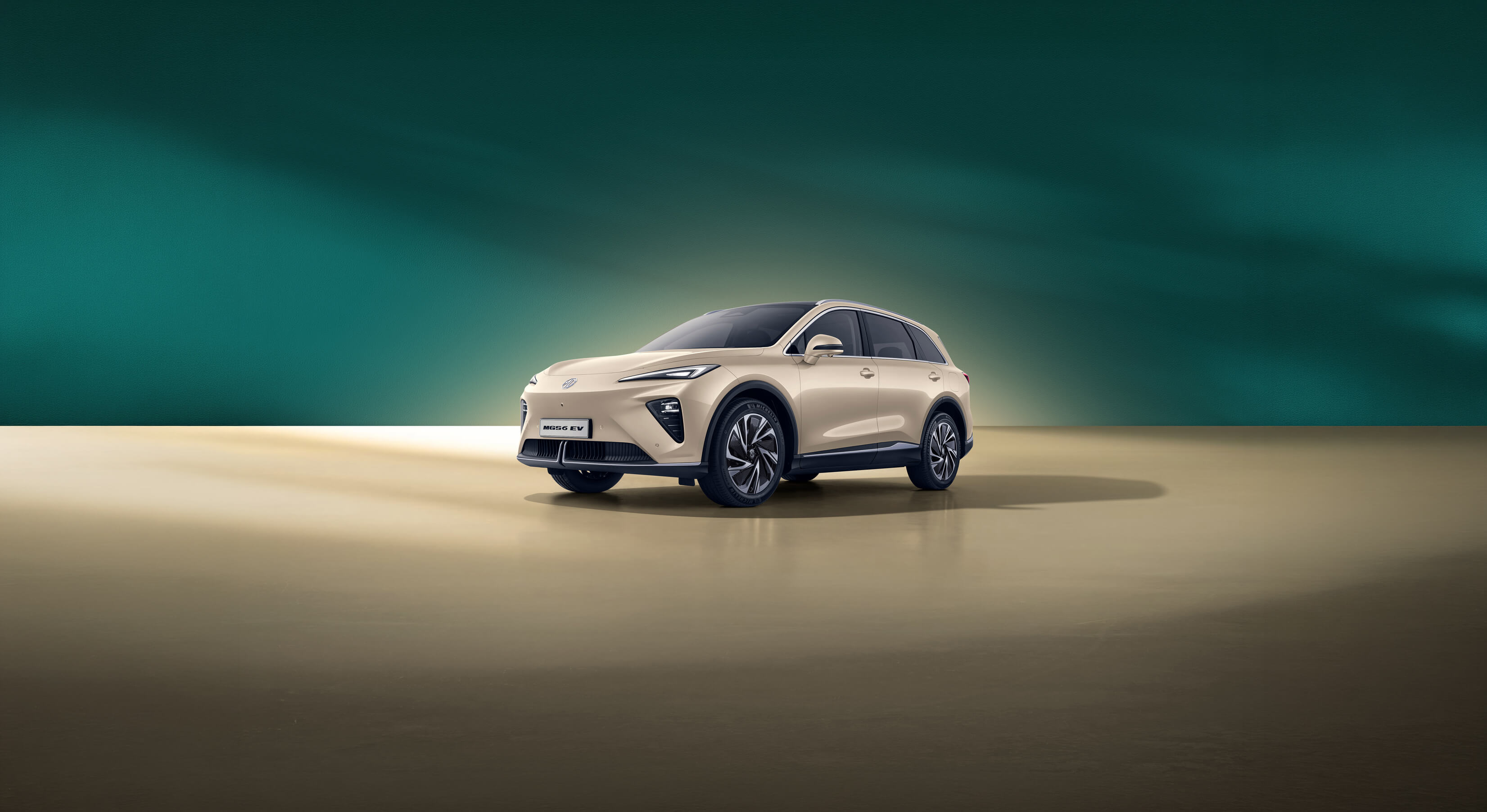
| MGS6 EV | 77 kWh battery; 10–80% DC in 38 minutes at 25°C |
Plan around the slower factor
A high-power charger cannot override the vehicle’s limit. The achieved rate may also fall when a site shares power, the battery is cold or hot, or the state of charge is already high. For a trip, allow time to reach the charger, connect, authenticate and move the car after charging.[5][1]
What to confirm before buying
Charging, range and battery guidance is general. Follow the vehicle owner’s manual and the charger manufacturer’s safety instructions for the exact vehicle and equipment.
Published range and charging figures are comparison references. Weather, speed, terrain, load, battery temperature, charger capability and state of charge can change real-world results.
Questions buyers also ask
Why does charging slow above 80%?
The battery management system normally reduces power at higher states of charge to manage heat and protect the battery.
Does a larger battery always take longer to charge?
Not always. Charging time also depends on the vehicle’s charging curve and the power available.
Can I calculate charging time from peak power alone?
No. Peak power is not maintained throughout the session. Use the manufacturer’s tested charging window where available.
Why can two sessions at the same charger differ?
Battery temperature, starting charge, site load, charger condition and the vehicle can all change the result.
Sources & references
Official model information, terms and Australian EV guidance used in this guide.