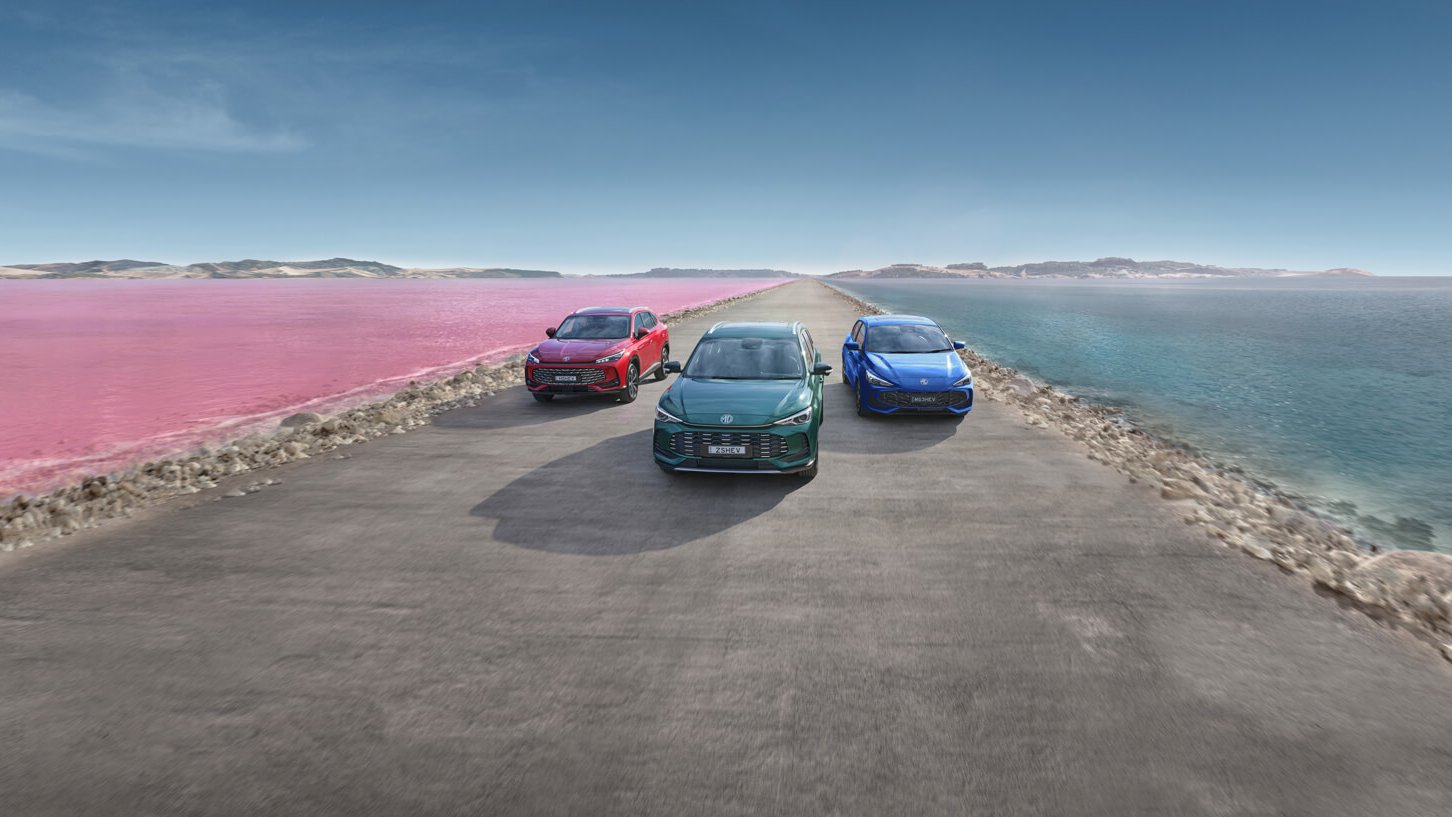
Three powertrains, three ownership routines
The right choice depends on regular trip length, where the car parks, charging access and how often it travels beyond its electric range. Compare the complete routine rather than assuming one technology suits every household.[1][2]
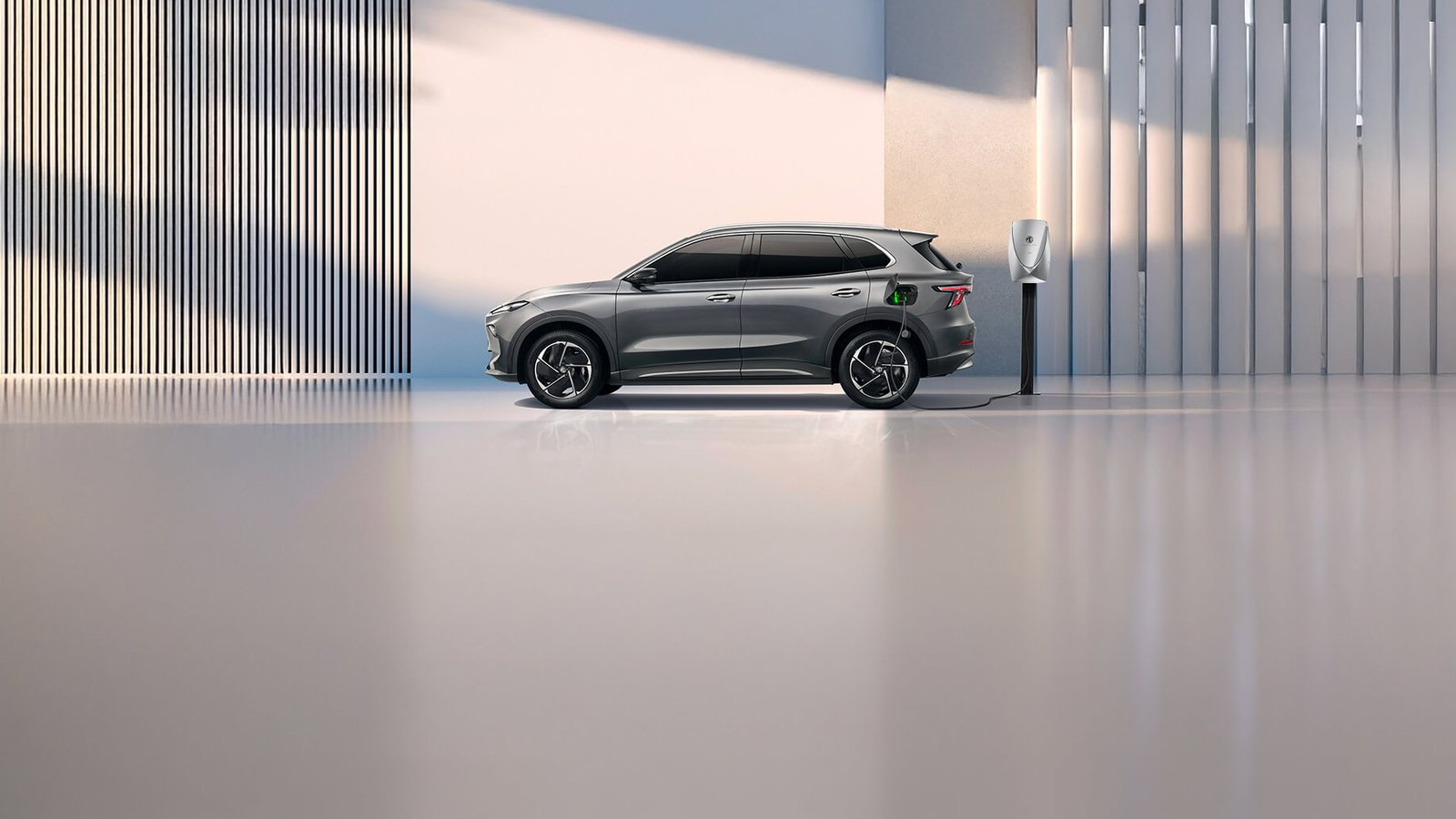
| Battery electric vehicle | Electric motor only; plugs in; no tailpipe emissions |
|---|---|
| Hybrid electric vehicle | Fuel engine plus electric assistance; does not plug in |
| Plug-in hybrid vehicle | Larger rechargeable battery plus fuel engine; plugs in |
When a battery-electric vehicle makes sense
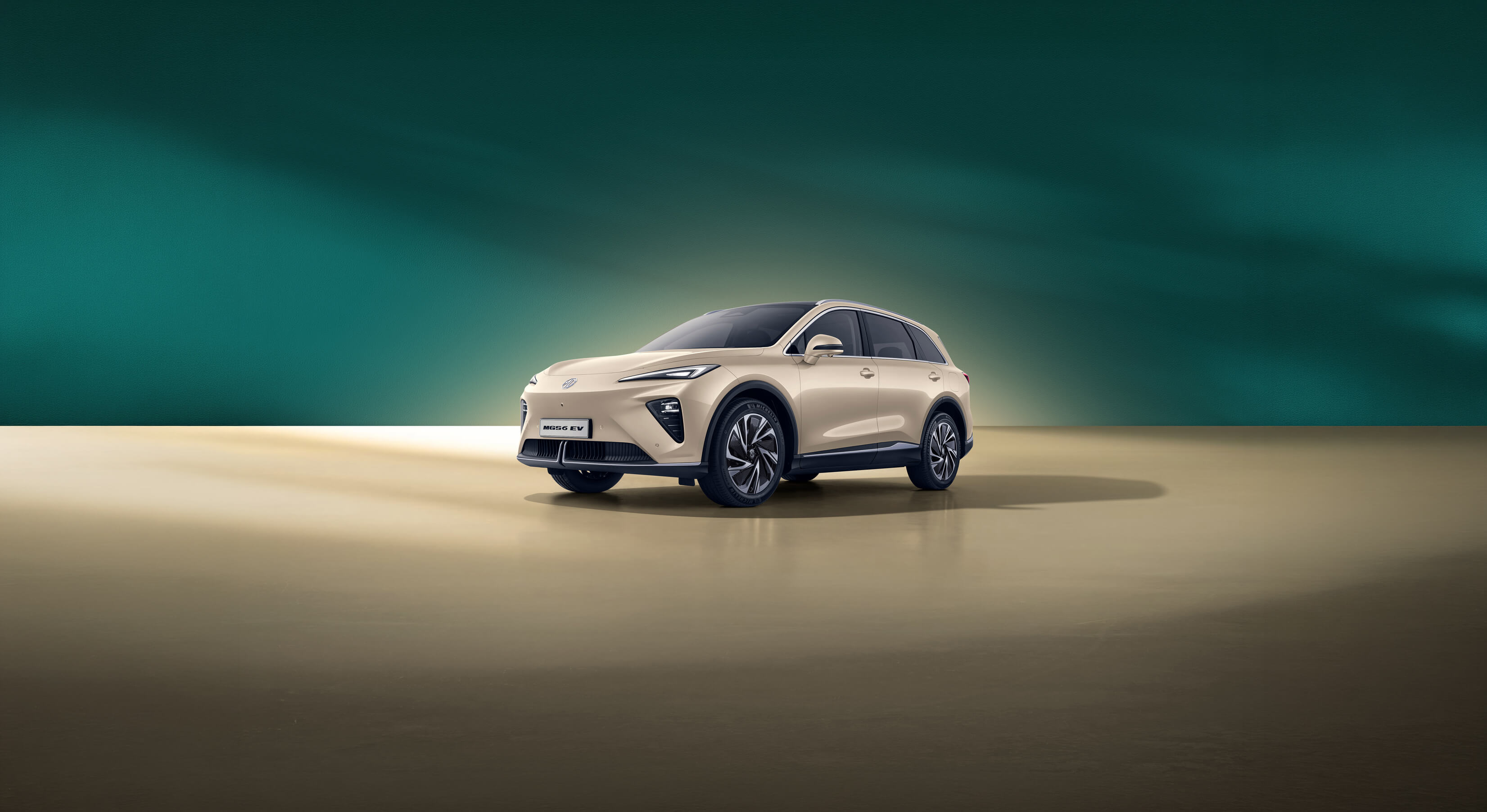
A BEV can suit drivers who can plan regular charging at home, work or reliable public locations and whose longer trips fit available charging routes. MG4 EV Urban and MGS6 EV are battery-electric vehicles, so their driving range and charging needs should be assessed before purchase.[1][5][6]
What the MG names mean
MG Hybrid+ models do not need to be plugged in. MG Super Hybrid models are plug-in hybrids, so regular charging matters if you want to make use of their electric-driving capability. Check the exact model and version before comparing fuel use or electric range.[4][1]
What to compare before choosing
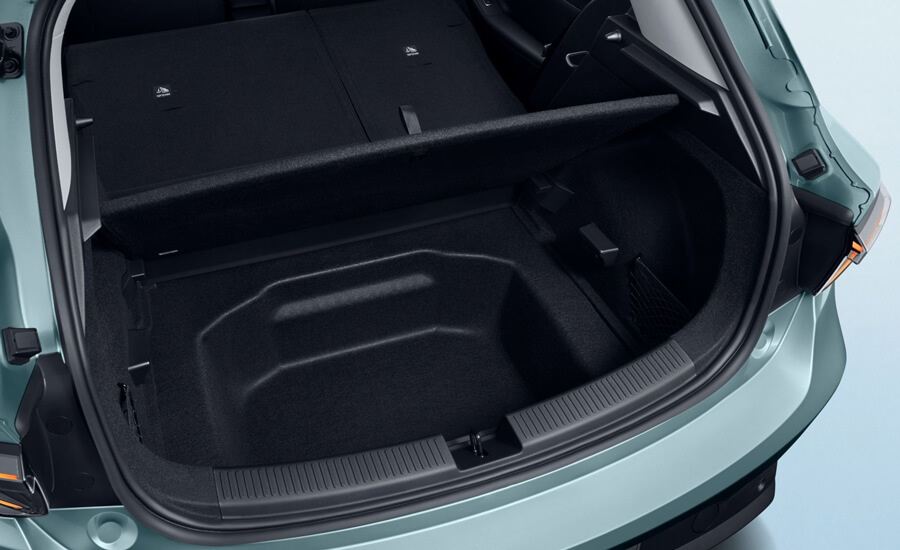
Compare purchase price, expected electric driving, fuel use where relevant, charging availability, servicing, boot and passenger space, towing needs and the warranty that applies to both the vehicle and high-voltage battery.[7][8]
What to confirm before buying
Model availability and powertrain specifications change. Check the current model page before making a shortlist.
Charging, range and battery guidance is general. Follow the vehicle owner’s manual and the charger manufacturer’s safety instructions for the exact vehicle and equipment.
Published range and charging figures are comparison references. Weather, speed, terrain, load, battery temperature, charger capability and state of charge can change real-world results.
Questions buyers also ask
Does a hybrid need to be plugged in?
A conventional hybrid does not. A plug-in hybrid does need external charging to make full use of its electric range.
Can a plug-in hybrid run without petrol?
It can complete some trips on battery power, but it retains a fuel engine and will use fuel under some conditions.
Do battery-electric cars have tailpipe emissions?
Battery-electric vehicles do not produce tailpipe emissions while driving.
Which type is cheapest to own?
That depends on purchase price, charging and fuel costs, use pattern, insurance, servicing and resale; compare the complete ownership case.
Sources & references
Official model information, terms and Australian EV guidance used in this guide.
- Australian Government — Types of electric vehicles
- Australian Government — Electric vehicle definitions
- MG Australia electric vehicle range
- MG Australia hybrid vehicle range
- MG4 EV Urban — official model page
- MGS6 EV — official model page
- Australian Government — Preparing to buy an electric vehicle
- MG Australia warranty