Start with your charging routine
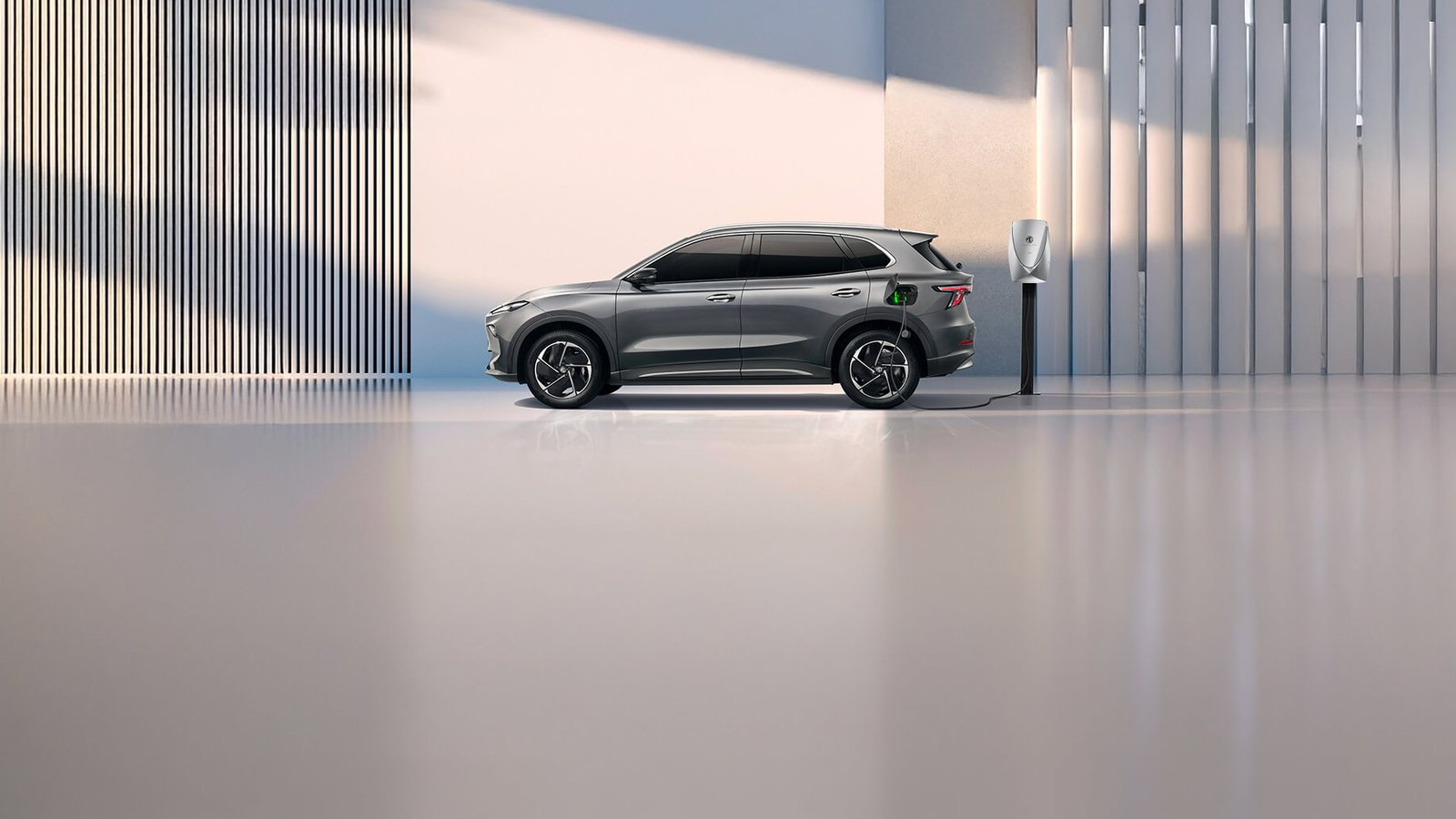
A household that can charge mostly at home may have a very different electricity bill from a driver who relies on public fast chargers. Estimate the share of charging at home, work and public sites, then use the actual tariffs you expect to pay.
Run at least two scenarios if that mix could change. A lower energy-use figure alone will not settle the choice if purchase price, insurance or depreciation differ.[9][5]
Use a repeatable electricity calculation
Estimated electricity cost per 100 km equals vehicle energy use in kWh/100 km multiplied by the electricity price per kWh. Use a weighted tariff when charging occurs across home, workplace and public networks, and allow for charging losses.
Illustrative example: at 15,000 km a year, 16.5 kWh/100 km, a 10% allowance for charging losses and an electricity price of A$0.30/kWh, estimated electricity spend is about A$817 a year. This is a worked example, not an MG cost estimate; replace every input with your own tariff and charging mix.[1][9]
| Illustrative input | Value |
|---|---|
| Annual distance | 15,000 km |
| Vehicle energy use | 16.5 kWh/100 km |
| Charging-loss allowance | 10% |
| Illustrative electricity price | A$0.30/kWh |
| Estimated annual electricity spend | About A$817 |
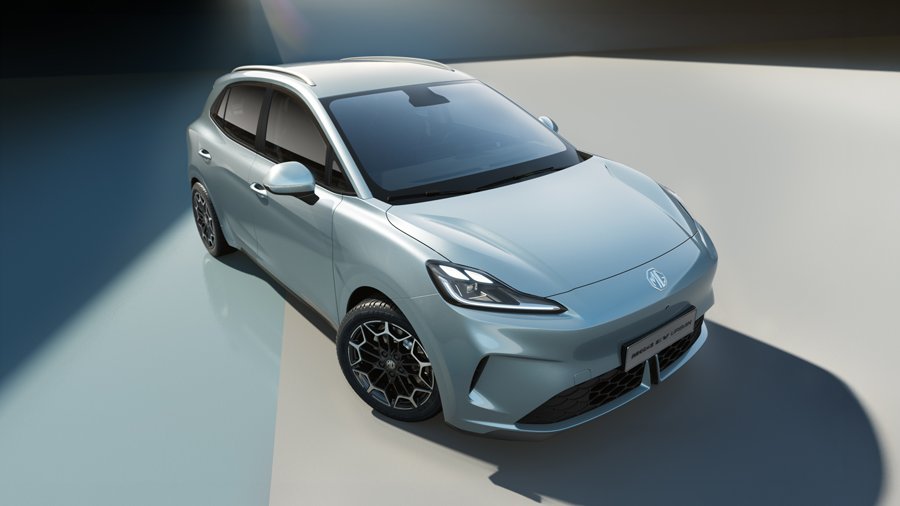
MG4 EV Urban efficiency reference
Official WLTP combined energy use is 16.5 kWh/100 km for Essence 43 and 16.1 kWh/100 km for Essence 54. These are standardised comparison figures, so a personal budget should use recent trip data once available.[1]
| Version | Official combined energy use | Battery | WLTP range |
|---|---|---|---|
| Essence 43 | 16.5 kWh/100 km | 43 kWh LFP | 316 km |
| Essence 54 | 16.1 kWh/100 km | 54 kWh LFP | 405 km |
Add the non-energy costs
Request insurance quotes for the exact driver and postcode. Check scheduled servicing, tyre size and price, finance costs, registration and any charging subscription. Use the same inputs and ownership period for every vehicle you compare.[4][7]
Calculate costs over five years
Use the same ownership period and assumed annual distance for every vehicle. Record depreciation as the purchase price minus the estimated resale value, and keep finance interest and fees as a separate cost to avoid double counting.
Add registration, insurance, electricity, scheduled servicing, tyres and charging equipment. State the resale valuation date and assumptions, and run a second scenario when public charging cost or resale value is uncertain.[5][4]
| Five-year cost line | What to record |
|---|---|
| Purchase and finance | Drive-away quote, interest and fees without double-counting the purchase price |
| Charging | Annual kilometres, energy use, charging losses and home/work/public tariff mix |
| Ownership | Registration, insurance, scheduled servicing and tyres |
| Charging equipment | Hardware, installation and any subscriptions |
| Depreciation | Purchase price minus an estimated resale-value range with the valuation date and assumptions stated |
Compare new and used EVs separately
A used premium EV may have a lower purchase price but different remaining warranty, battery condition, insurance, tyre and repair costs. Compare the service history, battery state of health where available, remaining vehicle and battery cover, charging capability and the same five-year cost lines. Do not assume either the new or used vehicle is cheaper before completing the calculation.[5][10][3]
Use official servicing and warranty information
Check the service schedule and model-specific pricing for the exact vehicle. Under MG Precise Price Servicing, scheduled items shown in the service schedule are included in the quoted service cost, and a service quote is fixed for 12 months. Warranty eligibility and roadside assistance remain subject to their separate terms.[6][7][3][8]
What to confirm before buying
WLTP figures are standardised laboratory results for comparison. Real-world range varies with speed, weather, terrain, load, tyres and climate-control use.
Drive-away prices and promotions vary by location, registration type, buyer eligibility, dealer and stock. Check the current MG Australia offer and obtain a written dealer quote for your postcode before making a purchase decision.
Resale value, insurance, finance and electricity tariffs are estimates that can materially change the result. Show the assumptions and a reasonable range rather than presenting one total as certain.
Questions buyers also ask
How do I estimate EV electricity cost?
Multiply kWh used per 100 km by the applicable electricity price per kWh, then account for charging losses.
Is public charging always more expensive than home charging?
Tariffs vary by provider, charger and plan. Use the charging mix you realistically expect.
Which MG4 EV Urban version has the lower official energy figure?
Essence 54 is listed at 16.1 kWh/100 km, compared with 16.5 for Essence 43.
Does lower energy use guarantee lower total ownership cost?
No. Purchase price, depreciation, insurance, tyres, finance and servicing can change the result.
What belongs in a five-year EV ownership calculation?
Include purchase and finance, registration, insurance, electricity and charging losses, servicing, tyres, charging equipment and subscriptions, then subtract an estimated resale value.
How should depreciation be included in an EV ownership-cost comparison?
Use the purchase price minus an estimated resale value for the same future date. State the resale assumptions as a range, and keep finance interest and fees separate to avoid double counting.
Is a used premium EV automatically cheaper than a new affordable EV?
No. Compare purchase price, remaining warranty, battery condition, insurance, tyres, repairs, charging and resale using the same period and annual kilometres.
Sources & references
Official model information, terms and Australian EV guidance used in this guide.
- MG4 EV Urban MY26 brochure
- MG4 EV Urban — official model page
- MG Australia warranty
- Australian Government — Electric vehicle maintenance and servicing
- Australian Government — Preparing to buy an electric vehicle
- MG Australia servicing
- MG Australia service pricing guide
- MG Australia roadside assistance
- Australian Government — How to charge an electric vehicle
- Australian Government — Electric vehicle batteries and motors