Capacity loss is normally gradual
Battery state of health compares current usable capacity with the battery when new. Age, temperature, charging pattern, energy throughput and use can influence degradation. A health report can be useful when assessing a used EV.[1][3]
Use the manufacturer’s charging guidance
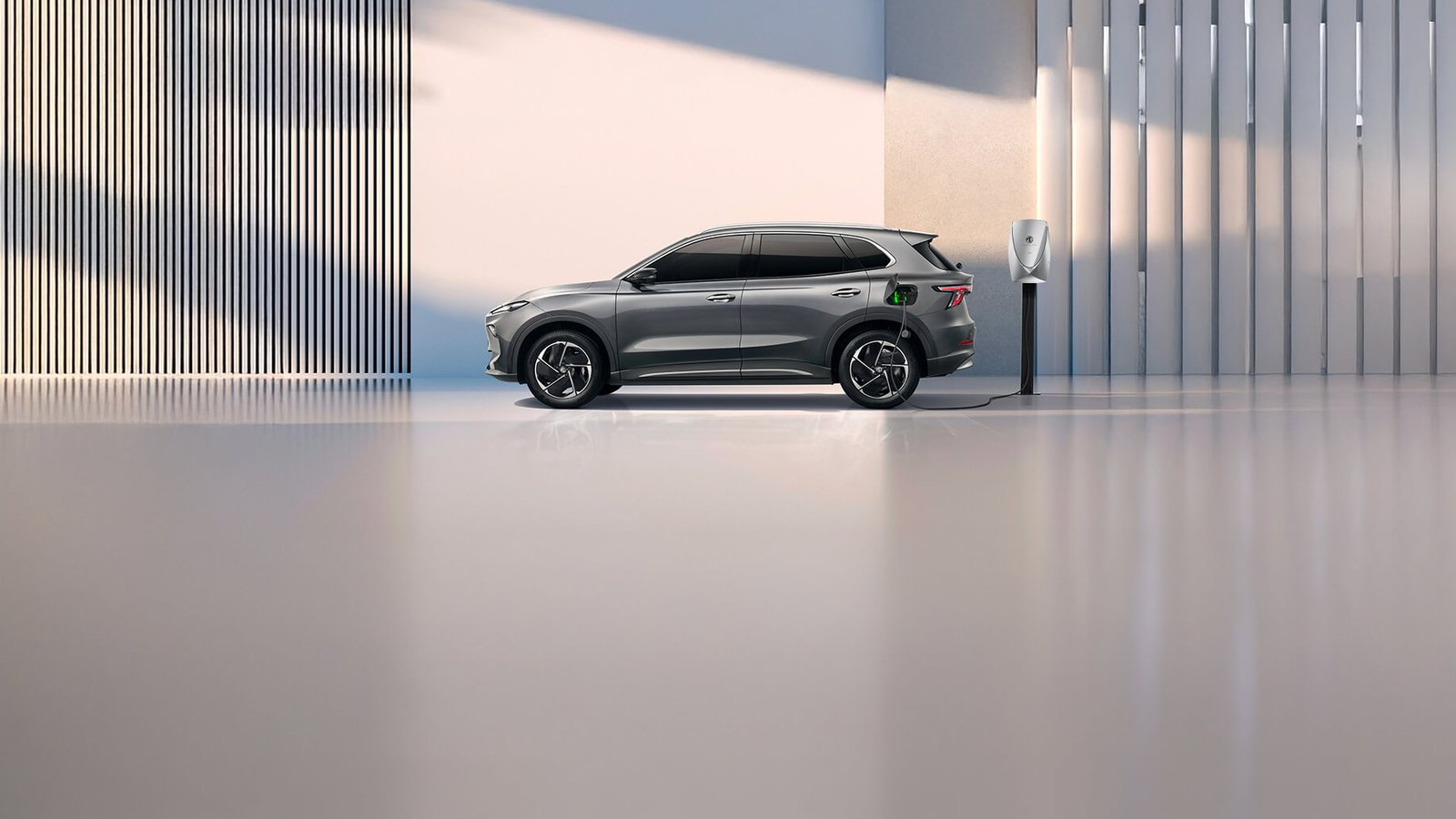
General guidance cannot replace the owner’s manual because battery chemistries and battery-management systems differ. Some vehicles recommend a regular 20–80% window, while others may call for periodic charging to 100%. Use fast charging when it serves the trip and follow the model-specific instructions.[1][5][6]
Read the warranty as a separate document
Standard vehicle cover, service-activated cover and high-voltage battery cover have separate terms. The current high-voltage battery warranty is 7 years or 150,000 km, whichever occurs first. Terms and exclusions apply, so read the full warranty policy for eligibility, servicing requirements and limited-warranty items.[4]
| Standard vehicle warranty | 7 years, unlimited kilometres; terms and exclusions apply |
|---|---|
| Service-activated cover | Up to 10 years or 250,000 km for eligible personal-use passenger vehicles serviced within the program |
| High-voltage battery warranty | 7 years or 150,000 km, whichever comes first; terms and exclusions apply |
Battery chemistry is one part of the picture
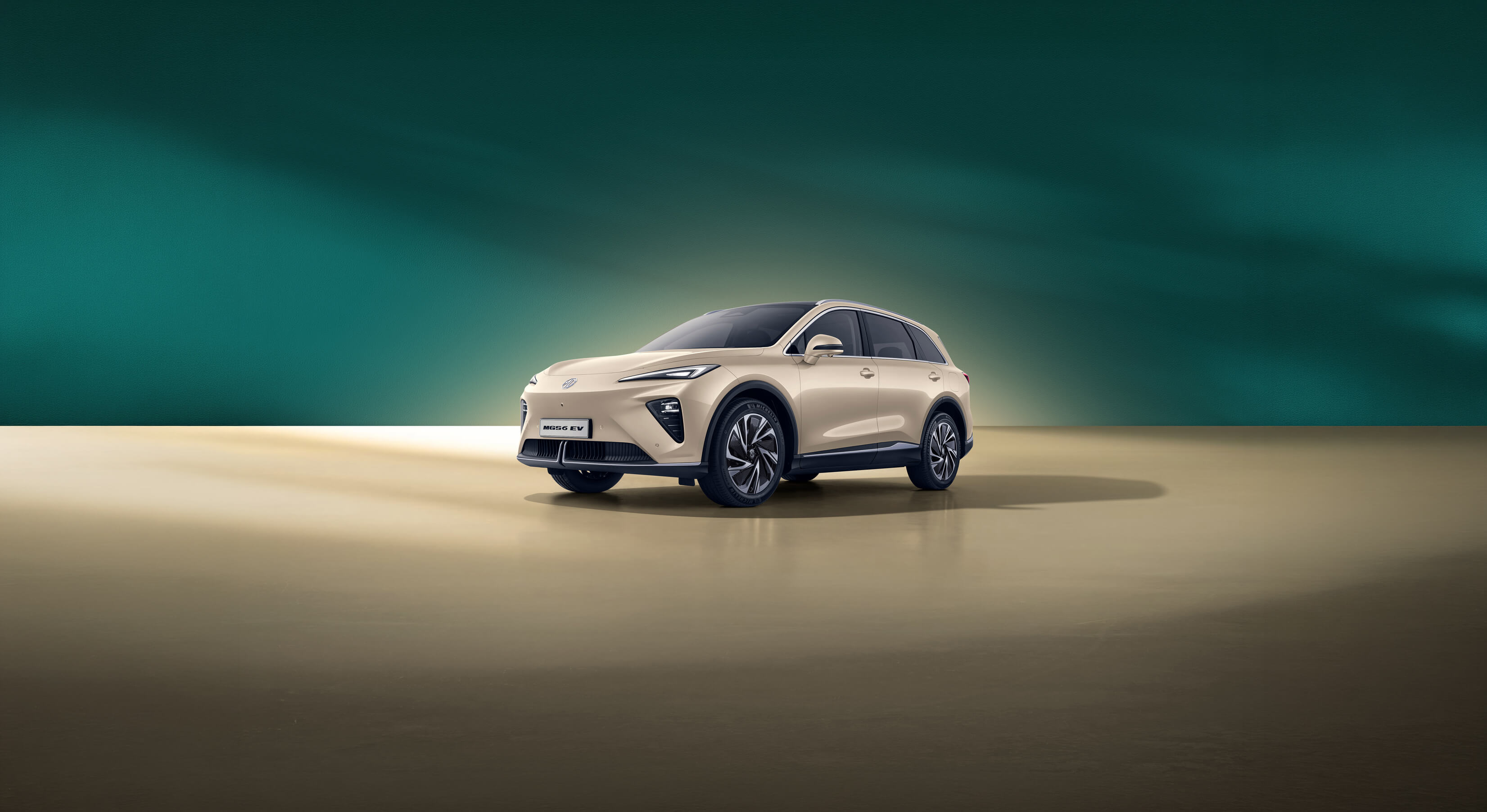
MG4 EV Urban uses LFP battery chemistry in both versions. MGS6 EV uses NCM chemistry. Chemistry affects engineering choices, but buyers should compare the full vehicle, thermal management, warranty, range and charging guidance rather than ranking a car by chemistry alone.[5][6]
What to confirm before buying
Warranty eligibility depends on vehicle use, registration date, servicing and the full policy terms. Check the current MG Australia warranty before making a purchase decision.
Charging, range and battery guidance is general. Follow the vehicle owner’s manual and the charger manufacturer’s safety instructions for the exact vehicle and equipment.
Published range and charging figures are comparison references. Weather, speed, terrain, load, battery temperature, charger capability and state of charge can change real-world results.
Questions buyers also ask
Is battery lifespan the same as battery warranty?
No. Lifespan describes how long a battery may remain useful; warranty is a legal promise with a defined period, distance, conditions and exclusions.
Does an EV battery suddenly stop working after the warranty?
No. Warranty expiry is not a predicted failure date; capacity usually changes gradually.
How can a used-EV buyer check the battery?
Ask for service history and a battery state-of-health report from an appropriate provider.
Do MG4 EV Urban and MGS6 EV use the same chemistry?
No. MG4 EV Urban uses LFP, while MGS6 EV uses NCM.
Sources & references
Official model information, terms and Australian EV guidance used in this guide.