Create a comparison brief before choosing models
Start with maximum drive-away price, family and luggage requirements, longest regular trip, charging access and any need for towing or AWD. Then compare only vehicles that satisfy the same brief.
Compare equivalent variants on the same date
Match two-wheel drive with two-wheel drive and AWD with AWD where possible. Separate finance, trade-in, accessories and temporary bonuses from the vehicle price. Use Australian model pages and brochures because overseas variants can differ.
Use one comparison sheet for every shortlisted SUV
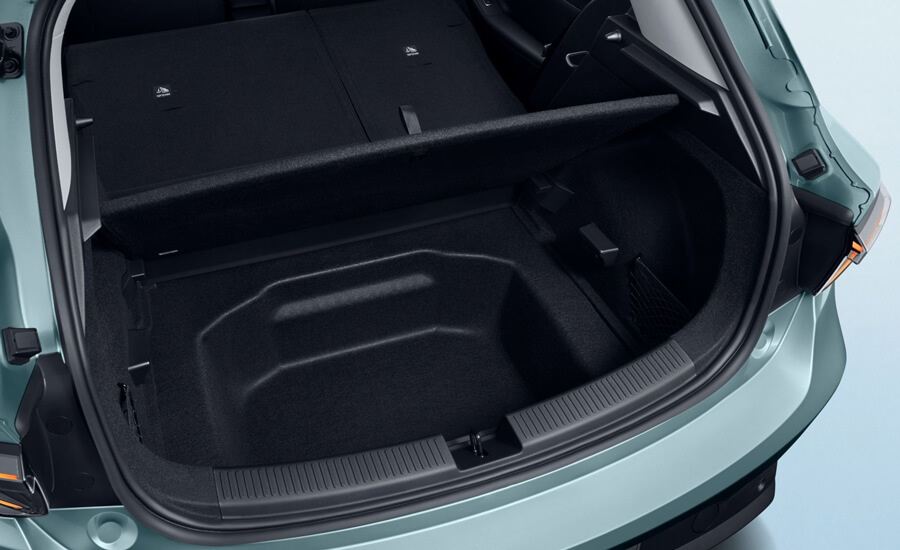
Record the exact Australian variant in each column. MGS5 EV and MGS6 EV illustrate why a headline boot number is only a starting point: their published rear boot capacities are 453 L and 581 L with the seats upright, but a pram or sports bag still needs a physical fit check.
Compare WLTP range and the same DC charging window, then test your usual route and charging stops. Leave room for equipment differences, insurance and service costs before ranking either vehicle.[1][3][6]
| Compare | Use the same basis |
|---|---|
| Price | Written drive-away quote for the same postcode, buyer type and date |
| Space | Child seats, rear-seat access, boot shape and the same luggage |
| Travel | WLTP range, realistic buffer, compatible charging and a backup stop |
| Ownership | Safety report, warranty, servicing, insurance and tyres |
Compare charging on a real journey
Record battery size, official range, peak DC rate and the published 10–80% time, then map a regular long-distance route. Check compatible charger locations, availability, expected stop length, price and a backup location. A higher peak rate does not always mean a shorter charging stop because the charge curve, battery temperature, state of charge, weather and charger performance also matter.[7][12]
Compare safety and support on the same basis
Use current ANCAP reports to compare the test year, rating applicability and assessment results. Then compare standard safety equipment on the exact variants being considered.
Review vehicle and battery warranty periods separately. Add scheduled servicing, model-specific service pricing, roadside-assistance conditions and access to a convenient service centre rather than treating after-sales support as a general brand claim.[5][8][9][11]
Assess comfort on a test drive
Seat support, ride, noise, visibility and control usability cannot be established from a specifications table. Test shortlisted vehicles on similar roads with the passengers and equipment that normally travel in them.
What to confirm before buying
Drive-away prices and promotions vary by location, registration type, buyer eligibility, dealer and stock. Check the current MG Australia offer and obtain a written dealer quote for your postcode before making a purchase decision.
WLTP figures are standardised laboratory results for comparison. Real-world range varies with speed, weather, terrain, load, tyres and climate-control use.
Peak charging power is not maintained for an entire session. The vehicle, charger, battery temperature and state of charge all affect charging time.
Questions buyers also ask
What makes an electric SUV comparison fair?
Use the same market, date, buyer assumptions, variant level and scoring criteria for every vehicle.
Which electric SUVs belong in the comparison?
Start with current Australian models that meet the same family brief. MGS5 EV and MGS6 EV are MG options at different sizes; compare equivalent variants and include other vehicles that fit your budget and charging routine.
Does AWD automatically make an SUV better?
No. It adds capability and output but may affect price, efficiency and range.
Can comfort be ranked from published specifications?
No. Specifications can narrow the shortlist, but you need comparable test drives to assess comfort.
Is peak DC charging power enough to compare road-trip performance?
No. Also compare the published charging window and time, charger availability, charge curve, route conditions and a backup charging option.
How should warranties be compared?
Compare vehicle and high-voltage battery cover separately, including time, distance, eligibility, exclusions and servicing requirements.
Sources & references
Official model information, terms and Australian EV guidance used in this guide.
- MGS5 EV — official model page
- MGS6 EV — official model page
- MGS6 EV MY26 brochure
- Build your MGS6 EV
- ANCAP — MGS6 EV safety rating
- Australian Government — Preparing to buy an electric vehicle
- Australian Government — Planning an electric vehicle trip
- MG Australia warranty
- MG Australia servicing
- MG Australia service pricing guide
- MG Australia roadside assistance
- Australian Government — How to charge an electric vehicle